New year, new... fur-do? That’s right, January isn’t just for human resolutions! It’s also the perfect time to talk about grooming and how it ties directly into your pet’s health and wellness.
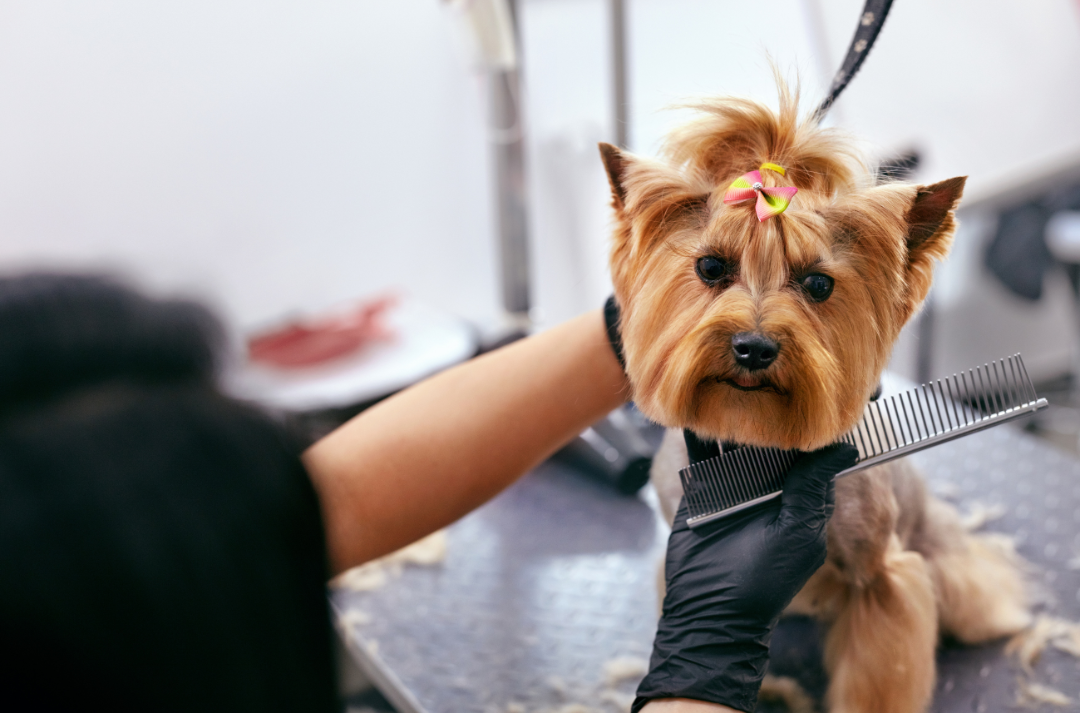
Sure, grooming makes your pet look great, but it does a lot more than turn heads at the dog park. Regular grooming keeps your pet’s coat clean, reduces shedding, and helps prevent painful mats that can lead to skin infections. It’s like a built-in spa day and wellness check combined into one.
Let’s break down what regular grooming really means and how it affects every part of your pet’s wellbeing.
1. Skin and Coat Health: A healthy coat is more than just shiny fur, it’s a reflection of your pet’s internal health. Brushing your pet regularly helps remove dirt, dander, and dead hair, which not only keeps them looking good but also improves circulation and skin health. For long-haired breeds, brushing prevents matting, which can become painful and harbor bacteria.
Bathing also plays a huge role. Dogs and cats can collect allergens, outdoor debris, and irritants on their coats. Giving them a good wash helps clear up itchy skin, remove buildup, and keep their coat smelling fresh. For pets with skin conditions or sensitivities, medicated or hypoallergenic shampoos can offer relief.
2. Early Detection of Health Issues: Grooming sessions are prime time for discovering hidden health problems. Lumps, bumps, rashes, dry patches, or signs of parasites are often first noticed while brushing or bathing. Catching these things early means faster treatment and better outcomes.
Have you ever found a tick behind your pet’s ear or a lump under their belly during a grooming session? That’s a win. Regular grooming is like an unofficial vet visit you can do at home.
3. Nail and Paw Care: When nails get too long, they can break, cause pain, or affect your pet’s ability to walk properly. Regular trims help maintain paw health and comfort. Overgrown nails can also lead to joint issues over time, especially in older pets.
Paw pads need love too, especially in winter months when salt and ice can cause cracks, or in summer when hot pavement can burn sensitive feet. Checking their paws regularly keeps small injuries from turning into bigger problems.
4. Ear Cleaning: Floppy-eared breeds like Cocker Spaniels or Basset Hounds are particularly prone to ear infections. Dirt, moisture, and wax can build up, creating a perfect environment for yeast or bacteria to thrive. Routine ear cleaning helps prevent those smelly, itchy infections.
Just make sure you’re using a vet-approved solution. Cotton swabs or homemade remedies can do more harm than good if not used properly.
5. Eye and Face Care: Tear staining is common in breeds like Poodles, Shih Tzus, and Bulldogs. Wiping the area gently with a damp cloth can prevent staining and infection. Some breeds also get debris trapped in skin folds that need regular cleaning.
Regularly checking your pet’s eyes ensures there’s no unusual discharge, redness, or signs of irritation.
6. Dental Hygiene: While not typically part of grooming, dental care deserves a shoutout. Brushing your pet’s teeth, using dental chews, or adding vet-recommended additives to water can significantly reduce tartar and prevent periodontal disease. Think of it as part of the whole grooming-wellness routine!
7. Mental and Emotional Benefits: Believe it or not, grooming can be calming for your pet. A good brush feels like a massage, and the attention from you creates positive bonding time. Pets thrive on routines and familiar touch, and grooming helps build trust.
However, not every pet loves bath time, and that’s okay! For nervous pets, starting slow and rewarding them with treats and praise makes the process more enjoyable. You can also talk to your vet about calming strategies or even safe sedation for extreme anxiety.
8. When to Call in the Pros: Sometimes, DIY grooming just won’t cut it, especially for pets with thick coats, special skin conditions, or behavioral challenges. Professional groomers have the tools and experience to make the process faster, safer, and less stressful.
At Pinnacle Veterinary Clinic, we now proudly offer in-house grooming services! Our professional groomer is experienced with all coat types and temperaments, and works hand-in-hand with our veterinary team to ensure your pet’s skin, coat, and comfort are top priority. From luxurious baths to precise trims, we’ve got your pet covered—literally!
New Year, Better Habits January is the perfect time to set grooming goals. Whether it’s brushing every other day, learning to trim nails, or finally addressing those itchy skin patches, a little consistency can make a big difference in your pet’s health.
Try creating a grooming checklist:
-
Brush 3x a week
-
Bathe monthly (or as needed)
-
Trim nails every 3–4 weeks
-
Check eyes, ears, paws, and skin regularly
You can even make it a family activity! Kids can help with brushing, and everyone benefits from a clean, happy pet!
Let Pinnacle Help Keep Your Pet in Top Shape We know your pet is part of the family, and their health matters. If you’ve noticed any issues during grooming, like flaky skin, unusual lumps, or sore paws, don’t wait. Book a wellness check at Pinnacle Veterinary Clinic.
We’ll help you figure out what’s normal, what needs attention, and how to create a plan to keep your pet looking and feeling their best all year long.
Ready to start the year with a clean, healthy pet? Call Pinnacle Veterinary Clinic today and let’s make 2026 their healthiest (and cutest) year yet!